Effective Wildlife Removal Services: Tackling Wildlife Challenges From Rodents to Big Animals
Professional wildlife removal solutions play a vital role in managing various animal intrusions, ranging from small rodents to larger mammals such as raccoons. Such services employ humane methods to ensure the safe capture and relocation of animals. They also inspect properties to identify vulnerabilities and prevent future issues. Exploring the complexities of this approach highlights both the difficulties and effective solutions. What specific strategies do these professionals employ to foster a sustainable relationship between humans and the natural world?
How to Recognize Common Wildlife Intrusions
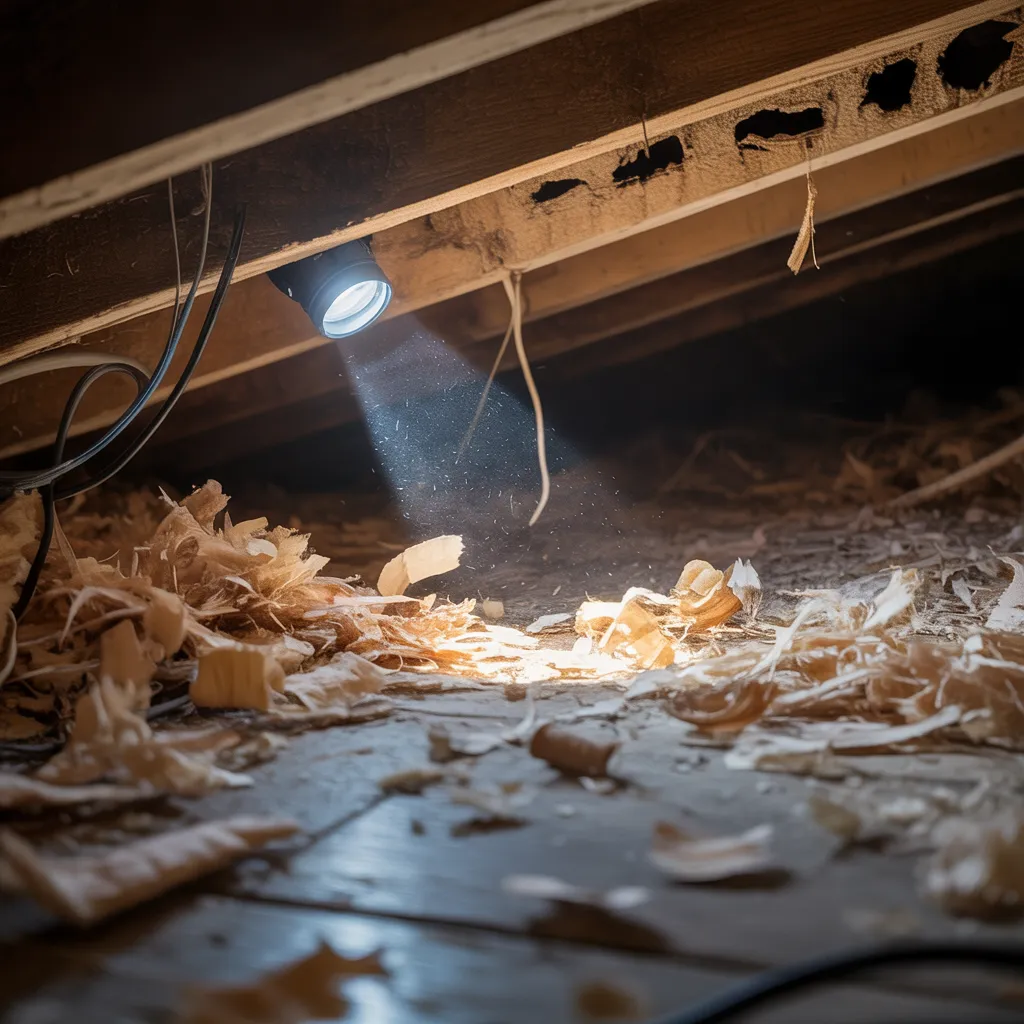
Recognizing typical wildlife invasions is essential for homeowners who wish to preserve a secure and healthy home environment. Indicators of wildlife activity can differ significantly according to the specific creature involved. For instance, homeowners may observe fecal matter, which can indicate the kind of creature present. Rodent droppings are small and pellet-shaped, while raccoon feces are larger and often contain remnants of food.
Moreover, chewed wires, gnawed furniture, or damaged insulation are common signs of rodent activity. Odd noises, most notably after dark are often a sign that larger mammals such as raccoons or opossums are in the area. Homeowners should also look for entry points, such as cracks in walls or openings around doors and windows, which allow passage to various animals. Paw prints or tracks found in the yard can help narrow down specific species. Identifying these indicators promptly can reduce the risk of significant infestations and structural damage.
The Importance of Humane Wildlife Removal
Ethical wildlife removal is essential not only for the well-being of the animals but also for preserving a balanced ecosystem. When wild animals enter human habitats, it can lead to conflicts that may threaten both species. Using ethical methods ensures that wildlife is safely relocated without injury, preserving their role in the environment.
Furthermore, compassionate removal techniques foster the peaceful coexistence of humans and animals, allowing for natural behaviors to continue. This approach lowers the probability of repeated animal intrusions, as wildlife is redirected to more suitable environments rather than being removed permanently.
Public opinion also serves a significant function; communities that support humane practices tend to foster a more positive relationship with local wildlife. Utilizing humane strategies can enhance the reputation of wildlife removal services, reflecting a commitment to ethical standards. Ultimately, prioritizing humane methods not only protects animal welfare but also contributes to healthier ecosystems for future generations.
Essential Steps for Effective Wildlife Removal
Proper wildlife removal entails a methodical strategy that focuses on efficiency alongside safety. The first step is conducting a comprehensive evaluation of the premises to locate indicators of wildlife presence and possible access points. This assessment enables experts to identify the type of species involved and the extent of the problem. Following this, applying humane capture methods provides the secure containment of wildlife without inflicting injury.
Upon capture, the relocation process encompasses transferring the wildlife to a suitable habitat, in accordance with regional regulations. Following removal, sealing entry points is vital to deter future occurrences. This process may require fixing holes, fitting screens, or utilizing deterrents. To conclude, conducting a post-removal inspection confirms that the area is secure and free from any remaining wildlife. By observing these important measures, wildlife removal services can successfully address concerns while upholding a dedication to humane methods and ecological stewardship.
Effective Strategies to Prevent Wildlife Intrusion
Keeping wildlife out demands a strategic approach that includes sealing entry points, managing food sources, and keeping surroundings tidy. By focusing on these essential elements, residents can greatly reduce the risk of undesired wildlife presence. Implementing these strategies fosters a safer and more secure living space.
Close Off Entry Points
Numerous homeowners relevant article fail to recognize the need for sealing entry points to prevent wildlife from entering. Proper wildlife management starts with detecting and closing off possible entry points. Gaps, cracks, and openings in foundations, walls, and roofs act as open pathways for a wide range of wildlife. Carefully copyrightining these susceptible spots ensures that even tiny access points are addressed. Products including caulk, expanding foam, and metal mesh are effective at helping to seal access areas thoroughly. Furthermore, utility lines, vents, and chimneys need to be protected by chimney caps or screens to prevent access. Routine maintenance inspections are critical, as wear and tear can lead to new access points. By taking initiative in blocking entry points, homeowners greatly reduce the chances of wildlife intrusions and preserve the safety of their properties.
Manage Food Sources
Controlling food sources plays a vital role in keeping wildlife away from residential neighborhoods. Homeowners must take proactive measures to eliminate attractants that draw animals close. This involves keeping pet food, birdseed, and waste sealed in airtight containers. Composting units ought to be constructed to limit odors and stay properly sealed. In addition, fruit that has fallen from trees should be gathered immediately, as it has the potential to attract many different animals. Vegetable patches and backyard grills demand routine care to avoid residual smells that may lure wildlife. By effectively managing these food sources, residents can greatly reduce the likelihood of wildlife encounters, fostering a safer living environment while protecting both the animals and the community.
Keep Environments Clean
A tidy environment considerably diminishes the risk of unwanted wildlife entry. Regularly maintaining cleanliness in homes and surrounding areas is essential for deterring unwanted animals. This includes promptly disposing of trash, securely storing food, and eliminating clutter where pests can nest. Gardens should be kept tidy, with overgrown vegetation trimmed back to minimize hiding spots. Sealing potential entry points, including gaps in walls and rooflines, can offer extra defense against unwanted animals entering properties. Properly managing compost and ensuring that bird feeders are maintained can also limit attracting unwanted visitors. Through the use of these approaches, property owners can establish an environment that discourages wildlife, substantially decreasing the chances of infestations and the demand for professional removal assistance.

What Should You Look for in a Wildlife Removal Service?
When choosing a wildlife management service, it's critical to take into account their certifications and licensing to guarantee adherence to local regulations. Additionally, ethical removal methods should be a top concern, reflecting a devotion to responsible wildlife handling. These factors not only guarantee effective service but also support sustainable wildlife practices.
Licensing And Credentials
Verifying that a wildlife removal service is adequately licensed and certified is vital for responsible and effective animal management. Each state maintains specific regulations governing wildlife control, making it essential to ensure that the service adheres to local laws. Certified professionals show a commitment to ethical practices and have the necessary training to address various species responsibly. Certifications from established organizations can further indicate expertise in wildlife biology and responsible removal methods. Customers should ask about the service's certifications and seek proof of credentials and licensing. Choosing a reputable provider not only guarantees compliance with legal standards but also increases the likelihood of efficient and responsible wildlife removal outcomes.
Humane Removal Practices
Choosing a wild animal removal service that values ethical methods is crucial for animal welfare as well as effective management. Customers should select companies that employ approaches that reduce discomfort and injury to animals. This involves using live traps for relocation instead of lethal methods. Moreover, a professional service will evaluate the circumstances to determine the animals present and their behavioral patterns, guaranteeing a customized solution.
Clarity in operations is critical; companies should clearly communicate their methods and provide documentation of compliance with local wildlife protection laws. In addition, consider providers that deliver aftercare solutions, such as closing off entry points to guard against recurring infestations. Overall, humane removal practices reflect a commitment to ethical standards, balancing the needs of wildlife with the interests of property owners.
What Happens After Wildlife Removal
Once wildlife removal is complete, homeowners may notice a number of changes in their living environment. The immediate area will typically become quieter, as the presence of animals is no longer audible. This new sense of calm can enhance comfort and security within the home. In addition, the wildlife removal process typically includes an inspection, which may identify possible entry points or damage left behind by the animals.
Residents can anticipate recommendations for repairs or preventative measures to discourage future wildlife intrusions. Cleaning may also be necessary, as pests can deposit waste or nesting remnants that present health hazards.
In addition, certain homeowners might need to adjust their landscaping or outdoor storage habits to minimize attractants. Overall, the outcome of wildlife removal encourages a safer, healthier living area, supporting awareness and proactive steps to preserve a wildlife-free space.
Common Questions and Answers
What Are the Typical Costs for Wildlife Removal Services?
Wildlife removal services typically cost from $100 to $500, influenced by the species in question, the scope of the problem, and pricing in your area. Extra charges may be assessed for inspections or preventative steps.
Do Wildlife Removal Services Operate 24/7?
A large number of wildlife removal providers provide 24/7 access to handle emergency situations. This means that homeowners can get rapid help for wildlife-related concerns, at any hour, thereby improving security and comfort.
What Credentials and Certifications Are Required for Wildlife Removal Professionals?
Wildlife removal experts should possess state-issued licenses, confirming they meet local laws and guidelines. Certifications in humane trapping techniques and wildlife management, as well as training in safety procedures, boost their overall credibility and provide assurance of responsible and effective animal care.
Do Wildlife Removal Services Deal with Dead Animal Removal?
Wildlife removal companies are fully capable of handling dead animal removal. These professionals are equipped to safely and efficiently remove deceased animals, ensuring proper disposal and minimizing health risks associated with potential decomposition and disease transmission.
What Is the Typical Duration of the Wildlife Removal Process?
The wildlife removal process usually requires anywhere from one to three hours based on the complexity of the situation. Elements such as the type of animal, location, and necessary equipment can significantly affect the total time required.